
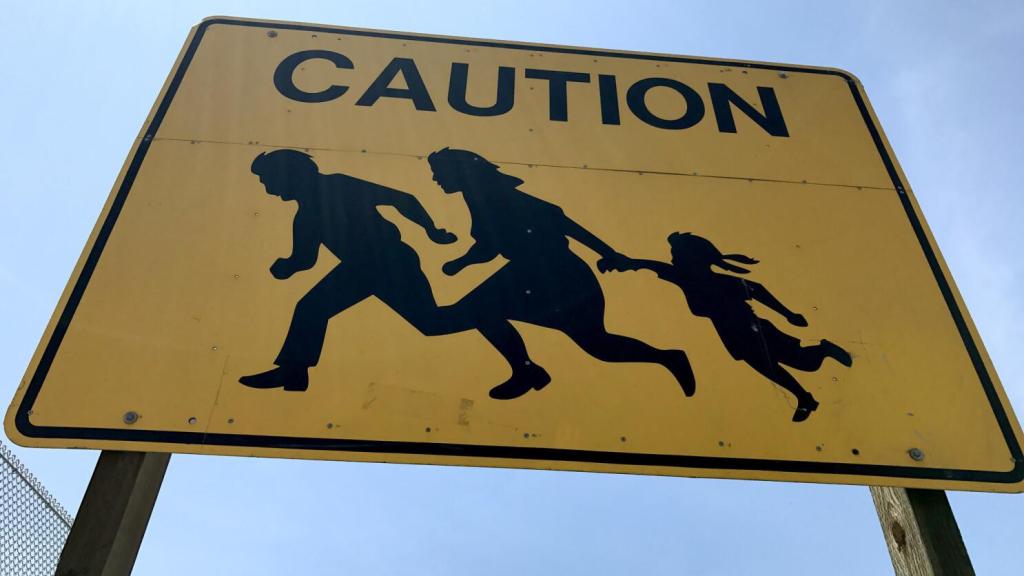
The issue of illegal immigration is a complex and deeply polarizing topic in the United States, often sparking intense debate about national identity, economic impact, and social responsibility. While the U.S. has historically been a nation of immigrants, built on the ideals of the American Dream, the current system of illegal immigration has raised legitimate concerns about fairness, security, and the strain on public resources. Below, we explore why illegal immigration is seen by many as a challenge to the United States and why some argue it must be addressed.
The Strain on Public Resources
One of the most significant concerns about illegal immigration is the strain it places on public resources. Schools, hospitals, and social services are often overwhelmed by the influx of individuals who are not contributing to the tax base but are utilizing these services. For example:
- Healthcare: Emergency rooms are required by law to treat anyone, regardless of immigration status. This has led to overcrowding and increased costs for taxpayers.
- Education: Public schools must educate all children, including those of undocumented immigrants, which can stretch already limited budgets.
- Social Programs: While illegal immigrants are not eligible for most federal benefits, their U.S.-born children are, which can create indirect costs for taxpayers.
These pressures can lead to resentment among citizens who feel that their tax dollars are being diverted to support those who have not followed the legal immigration process.
Unfairness to Legal Immigrants and Citizens
The United States has a long history of welcoming immigrants who contribute to the nation’s prosperity and cultural diversity. However, illegal immigration undermines the integrity of the legal immigration system, which is designed to ensure that newcomers are vetted, contribute to the economy, and integrate into society. By bypassing this system, illegal immigrants are seen as cutting in line ahead of those who have followed the rules.
Moreover, many citizens, including vulnerable populations like war veterans and the elderly, struggle to access the same resources that are extended to illegal immigrants. This perceived inequity has fueled frustration and a sense of injustice among Americans who feel that their government prioritizes non-citizens over its own people.
Economic Impact
While some argue that illegal immigrants contribute to the economy by filling low-wage jobs, others point out that their presence can depress wages for American workers, particularly in industries like construction, agriculture, and hospitality. Additionally, the underground economy created by illegal immigration often leads to exploitation, as undocumented workers are paid under the table and lack labor protections.
The economic impact is not evenly distributed, and many working-class Americans feel the brunt of these challenges. This has led to calls for stricter enforcement of immigration laws and a focus on protecting American jobs.
National Security Concerns
Illegal immigration also raises legitimate national security concerns. Without proper vetting, it is impossible to know who is entering the country and for what purpose. While the majority of illegal immigrants come seeking better opportunities, the lack of oversight creates vulnerabilities that can be exploited by criminals, drug traffickers, and even terrorists.
Border security is a critical component of national sovereignty, and the failure to enforce immigration laws undermines the rule of law and erodes public trust in the government’s ability to protect its citizens.
The Erosion of the American Dream
The American Dream is built on the idea that anyone, through hard work and determination, can achieve success and prosperity. However, illegal immigration is seen by many as a betrayal of this ideal. When individuals bypass the legal system, they are perceived as taking shortcuts that undermine the values of fairness and meritocracy.
This sentiment is particularly strong among those who feel that their own opportunities are being diminished by the presence of illegal immigrants. For example, veterans who have sacrificed for their country or citizens who have worked for decades only to struggle in retirement may feel that their contributions are being overlooked in favor of those who have not played by the rules.
Why It Must End
The challenges posed by illegal immigration are not insurmountable, but they require a comprehensive and balanced approach. This includes:
- Strengthening Border Security: Ensuring that the U.S. has control over who enters the country is essential for national security and the rule of law.
- Reforming the Immigration System: Simplifying and streamlining the legal immigration process can reduce the incentive for people to enter illegally.
- Enforcing Existing Laws: Holding employers accountable for hiring illegal immigrants and cracking down on human trafficking can help address the root causes of illegal immigration.
- Supporting Vulnerable Americans: Prioritizing the needs of citizens, including veterans and the elderly, is essential to restoring faith in the system.
Conclusion
Illegal immigration is a multifaceted issue that touches on questions of fairness, security, and national identity. While the United States has always been a beacon of hope for those seeking a better life, the current system of illegal immigration is unsustainable and undermines the very principles on which the nation was founded. By addressing these challenges with compassion and resolve, the U.S. can uphold the American Dream for all while ensuring that its citizens are not left behind. The goal should be a system that is fair, secure, and reflective of the values that have made the United States a land of opportunity for generations.




 thereconquest.com
Deja un comentario